How to Spot AI-Generated Images and Deepfakes
Practical checks for telling AI images and videos from real ones: visual clues, source checks, provenance labels and when to stay sceptical.
Billions of AI images are now made every week; OpenAI alone reports more than four billion across its products. Most are harmless. Some are made to deceive: fake disaster photos, invented quotes over a politician's face, voice clones asking for money. You cannot always tell by looking, but a few habits will catch most of what matters.
Start with the source, not the picture
The most reliable checks are about where an image came from.
- Who posted it first? Trace it back. An anonymous account created last week is not a witness.
- Is anyone else reporting it? A real major event is covered by many outlets with different photographs from different angles.
- Search by image. Use a reverse image search to find earlier copies. Old photos are often recycled as new events.
- Check the date and place. Do the weather, signs, language and season match the claim?
- Read past the image. Does the caption come from someone who was there?
A convincing picture with no traceable origin deserves less trust than a blurry one from a known source.
Visual clues that still help
Generators have improved enormously, and the famous giveaways such as six-fingered hands are much rarer. These still appear:
- Text. Signs, labels and number plates with letters that almost make sense.
- Hands, teeth and ears, especially in the background.
- Repeating or melting detail. Crowds where faces blur into each other; fences, bricks or windows that change pattern.
- Impossible physics. Shadows pointing different ways, reflections that do not match, objects that merge.
- Jewellery and glasses that are asymmetrical or blend into skin.
- Too perfect. Skin with no pores, lighting like a studio in a scene that should be chaotic.
- Background logic. Stairs that lead nowhere, doors too small, furniture with the wrong number of legs.
For video, watch for unnatural blinking, lips out of sync with speech, hair and edges that shimmer, and objects that change between cuts.
For audio, listen for flat emotion, odd breathing and unusual pacing — but good voice clones are very hard to detect by ear.
The absence of flaws proves nothing. The best fakes have none.
Labels and provenance
Technology companies and regulators are trying to make AI content identifiable at the source.
- Visible labels. Many platforms tag content they detect or that creators declare as AI-generated.
- Invisible watermarks. Some generators embed a signal in the image that detection tools can read.
- Content credentials. A provenance standard that attaches a signed record of how a file was made and edited. Some cameras, editing tools and AI generators support it; check for a credentials icon or use a verification site.
- Law. In the EU, providers of generative AI must mark their output in a machine-readable way, with the duty reaching older systems on 2 December 2026. See what changes under the EU AI Act.
The limits: screenshots, re-uploads and editing can strip markers. Not every generator adds them, and open models can be run without any. A label is strong evidence that something is AI-made. No label is not evidence that it is real.
Detection tools
Websites that claim to detect AI images give a probability, not a verdict. They produce both false alarms and misses, and perform worse on compressed or edited files. Use them as one signal among several, never as proof — and never to accuse someone on their own.
A sixty-second routine
Before you share something surprising:
- Pause. Strong emotion is what fakes are designed to produce.
- Check the account that posted it.
- Reverse-search the image.
- Look for the same event from a reputable outlet.
- Scan for visual oddities and labels.
- If you cannot verify it, do not share it.
Scams that use deepfakes
- The urgent call. A voice that sounds like a relative or your boss asks for money. Hang up and call back on a number you already have. Agree a family code word.
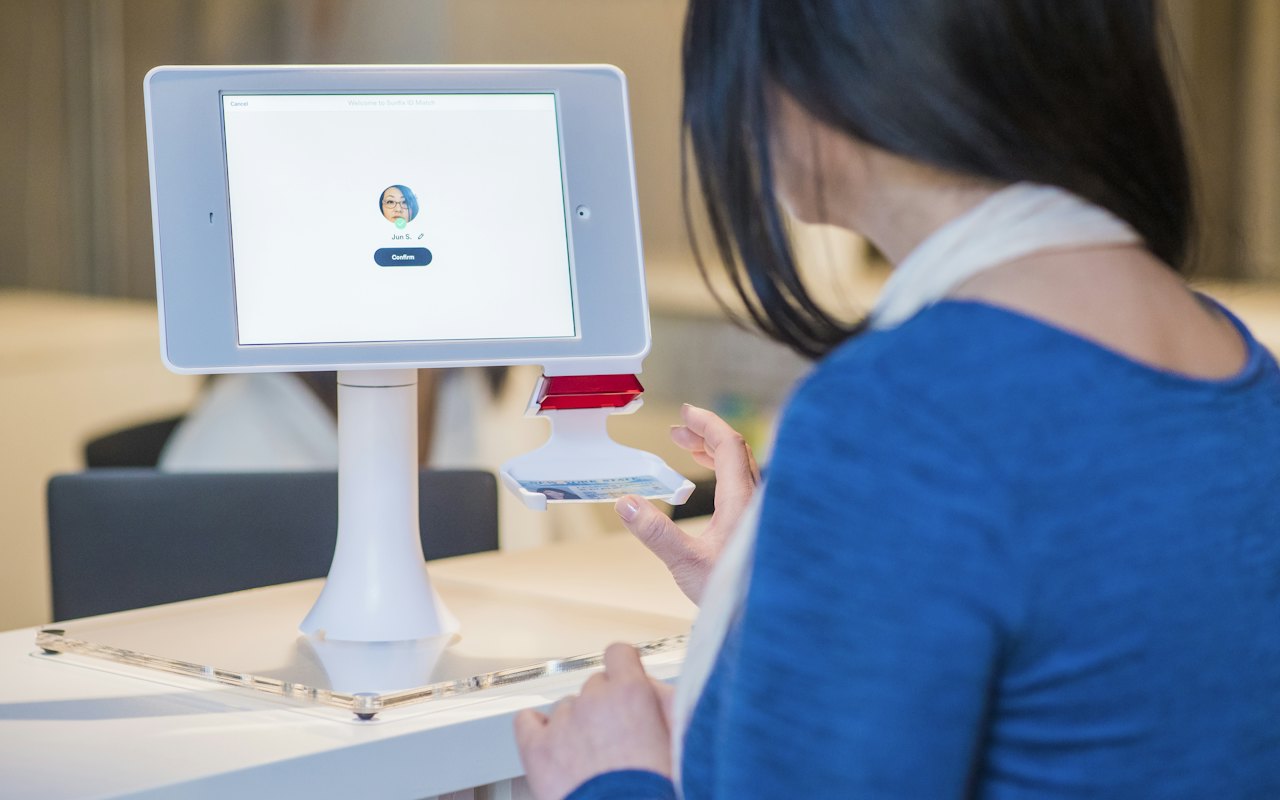
- The video meeting. Fraudsters have used fake video of executives to authorise payments. Confirm unusual requests through a second channel.
- The celebrity endorsement. Fake clips promote investments and giveaways. Well-known people do not privately offer you returns.
- Romance and blackmail. Be wary of anyone who avoids a live, unscripted video call, and of threats involving images.
If a fake targets you
- Do not pay anyone who threatens to share fake images.
- Save evidence: links, usernames, screenshots.
- Report it to the platform, which is increasingly required to remove non-consensual intimate imagery.
- Tell the police if you are threatened or defrauded.
- Seek support from a trusted person or a victims' organisation.
Creating sexual deepfakes of real people is illegal in a growing number of countries, and the EU is banning AI systems built for it.
If you make AI images
Be the kind of creator you would want to encounter: label realistic AI images, do not depict real people without consent, and keep provenance data intact. Our image prompt guide covers the rules, and ChatGPT Images 2.6 shows how easy animation has become.
Frequently asked questions
How can I tell if an image is AI-generated?
Check where it came from first: the original poster, earlier copies and whether reputable outlets carry it. Then look for visual oddities and content labels.
Are AI image detectors accurate?
They are not reliable enough to treat as proof. They give a probability and make mistakes in both directions.
Do all AI images have a watermark?
No. Some generators add visible or invisible markers, but they can be removed and some tools add none.
What should I do if I get a suspicious call from a relative asking for money?
Hang up and call them back on a number you already know. Do not send money on the strength of a voice or video alone.
This article was checked against the sources listed above on 12 November 2026. AI products change quickly: features, prices and availability can differ by plan and country, so confirm details with the company before relying on them. GetAIHow is independent and not affiliated with the companies it covers. Read our editorial policy and disclaimer.