EU AI Act: What Changes on 2 December 2026
From 2 December 2026, older generative AI systems in the EU must mark their output and two new bans apply. Who is affected and what to do.
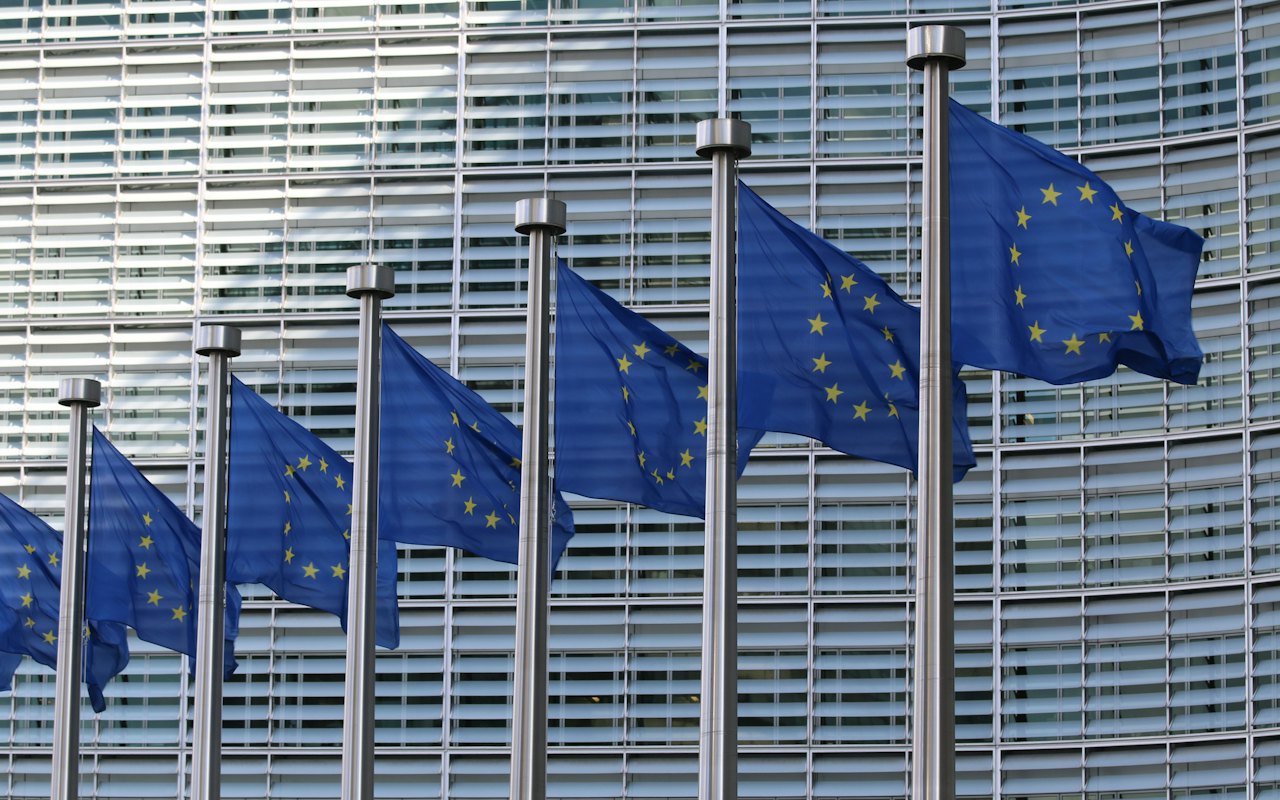
The European Union's AI Act is taking effect in stages, and the stages were rearranged in the summer of 2026. One date now matters for anyone who builds or deploys generative AI in Europe: 2 December 2026. This article summarises what applies then, based on an analysis published by the research-standards body CASRAI. It is general information, not legal advice.
The short version
Two things start on 2 December 2026:
- Marking of AI-generated content becomes mandatory for generative AI systems that were already on the EU market before 2 August 2026.
- Two new prohibited practices take effect, covering abusive synthetic imagery.
And one thing does not start then: the obligations for high-risk AI systems, which have been postponed.
- 2 Feb 2025First bans on unacceptable-risk AI practices and AI literacy duties apply.
- 27 Jul 2026The Digital Omnibus on AI, which reshuffles later deadlines, enters into force.
- 2 Aug 2026Marking duty applies to generative AI systems newly placed on the EU market.
- 1 Dec 2026Common rules for AI regulatory sandboxes take effect.
- 2 Dec 2026Marking duty reaches older generative systems; two new bans on abusive synthetic imagery apply.
- 2 Aug 2027Deadline for each member state to run at least one national sandbox.
- 2 Dec 2027High-risk obligations for Annex III systems apply.
- 2 Aug 2028High-risk obligations for Annex I products apply.
Dates as set out in the AI Act and its 2026 amendment. This is a summary, not legal advice.
The marking duty (Article 50)
What it requires. Providers of AI systems that generate synthetic audio, images, video or text must make sure the output is marked in a machine-readable way, so that it can be detected as AI-generated or manipulated.
Who it applies to and when.
- Systems first placed on the EU market on or after 2 August 2026 already had to comply from that date.
- Systems already on the market before 2 August 2026 were given a transition period that ends on 2 December 2026.
What "marking" means in practice. The law sets the goal and leaves the method open: watermarks embedded in the content, metadata, cryptographic provenance records or a combination. The European Commission's role, after the 2026 amendment, is to encourage and facilitate codes of practice on marking and labelling.
What it does not cover. The transition applies to providers. Duties on those who deploy AI — for example, telling people when they are seeing a deepfake — are separate and were not part of the transitional extension.
The two new bans (Article 5)
From 2 December 2026 the list of prohibited AI practices grows by two.
Non-consensual intimate imagery. AI systems that create or alter realistic images, video or audio showing an identifiable person's intimate parts or sexually explicit activity without that person's explicit, informed consent.
Child sexual abuse material. AI systems that generate or manipulate such material as defined in EU law.
For providers, the ban covers systems whose intended purpose is this kind of output, and systems where it is a foreseeable result and adequate safeguards are missing. For deployers, it covers using a system to produce it. The recitals say the rules are not meant to stop the general development of generative AI.
What was postponed
The Digital Omnibus moved the heaviest obligations back:
| Obligation | Now applies from |
|---|---|
| High-risk systems listed in Annex III (such as certain uses in employment, education and essential services) | 2 December 2027 |
| High-risk AI in products covered by Annex I | 2 August 2028 |
It is easy to confuse 2 December 2026 with 2 December 2027. The first is about marking and the new bans; the second is about high-risk systems.
The legal basis
- The AI Act is Regulation (EU) 2024/1689.
- The Digital Omnibus on AI is Regulation (EU) 2026/1744, adopted on 8 July 2026, published on 24 July and in force from 27 July 2026.
Who should act
Companies that provide a generative AI system in the EU. If your system was on the market before 2 August 2026, the marking duty reaches you on 2 December. Confirm that output carries a machine-readable marker, and document how.
Companies that use third-party AI tools. Ask suppliers how their output is marked and whether their safeguards address the new prohibitions. Put the answers in procurement records.
Universities and research bodies. An institution that builds and releases a generative model in the EU may count as a provider. If you rely on a research exemption, document the assessment.
Everyone with an acceptable-use policy. Update it to reflect the two new bans, and check which image and video tools staff are allowed to use.
Ordinary users. You have no new duties. You should start to see more consistent labelling of AI-generated content — though markers can be stripped, so they are a help, not a guarantee. See how to spot AI-generated images.
What we could not confirm
The analysis we relied on does not cover penalties for these provisions or how national authorities will enforce them, and says the status of codes of practice and technical standards on marking is unclear. For authoritative text, consult the Official Journal and the Commission's AI Act pages.
Companies testing new systems should also read about the EU's AI sandbox rules, which start a day earlier.
Sources
Frequently asked questions
What happens under the EU AI Act on 2 December 2026?
The duty to mark AI-generated content extends to generative systems already on the EU market before 2 August 2026, and two new prohibitions on abusive synthetic imagery take effect.
Were the EU AI Act's high-risk rules delayed?
Yes. Annex III high-risk obligations now apply from 2 December 2027 and Annex I obligations from 2 August 2028.
Does the AI Act apply to companies outside the EU?
It applies to providers that place AI systems on the EU market, wherever they are based.
Do individuals have to label AI images they make?
The marking duty described here falls on providers of generative AI systems. Separate transparency duties can apply to those who deploy deepfakes.
This article was checked against the sources listed above on 12 November 2026. AI products change quickly: features, prices and availability can differ by plan and country, so confirm details with the company before relying on them. GetAIHow is independent and not affiliated with the companies it covers. Read our editorial policy and disclaimer.